
International hold and win pokies have carved out a niche for players who want a slower, more deliberate pace than the average spin-and-forget slot. Rather than chasing rapid-fire bonus triggers, these games build anticipation around a growing prize meter that rewards persistence. That approach suits anyone who likes to watch a pot build over several sessions, then decide whether to press on or step back. You can find a wide range of these titles at extra-chilli-au.com, where the library leans into mechanics that reward patience instead of constant clicking.
How the Hold and Win Concept Works
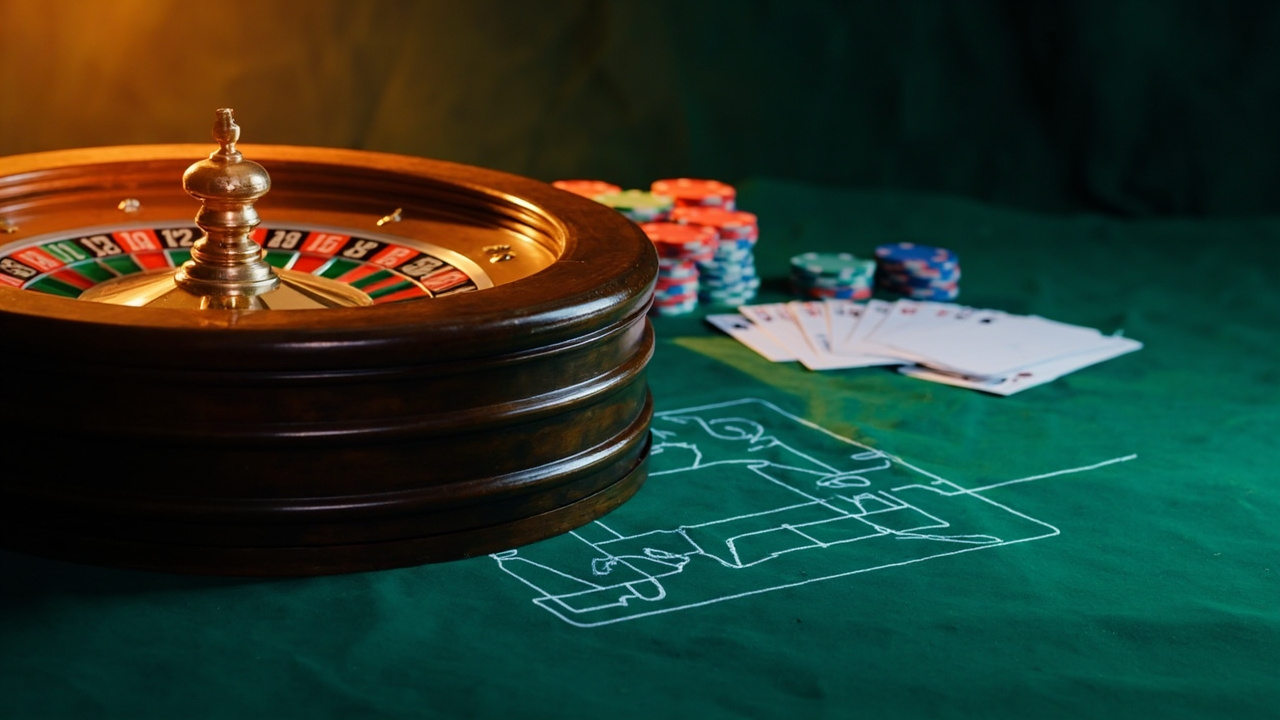
The core idea is straightforward: every qualifying spin contributes a small portion of the wager to a live prize pool, and that pool keeps climbing until a trigger releases it. The psychological hook is familiar to anyone who has sat at a machine thinking just one more spin is all it takes to tip the balance. In practice, the hold mechanic turns that impulse into a visible target, which changes how players pace themselves through a session.
The games tend to use a fixed contribution rate, so the meter rises at a steady clip rather than in unpredictable jumps. That predictability matters when you are comparing how long a single bankroll might last across different titles. A younger player I watched at a Newcastle gaming lounge last year treated the meter like a countdown timer, checking it between arvo drinks and adjusting his stake accordingly. He was not trying to beat the game; he was simply measuring whether the pace matched his patience.
Under the hood, the mechanics borrow from table classics as much as from video slots. Sic Bo uses three dice shaken in a covered container or automated shaker, and that same rhythm of waiting for a settled result shows up in how hold-and-win titles pace their bonus rounds. The outcome is never guaranteed, but the structure gives players something concrete to track instead of a blank reel spin.
Mobile Fit and Everyday Usability
Mobile play is where these games either earn their keep or lose it, because a meter that looks great on a desktop can feel fiddly on a phone screen. The better international hold and win pokies load quickly, keep the prize counter visible without crowding the reels, and let you adjust stake or autoplay settings without digging through nested menus. Responsiveness matters more than raw graphics when you are playing in short bursts between errands or on a commute.Crownresorts
Navigation should feel intuitive the first time you open the game, with the hold meter, paytable, and settings all reachable in a tap or two. Performance is the real test: a title that stutters on 4G or drains a battery in twenty minutes is not much fun, no matter how polished the artwork looks. A mate of mine who plays on the train up the coast reckons the best mobile versions keep the meter large enough to read at a glance, because he does not want to squint at a tiny number every time the train lurches.
Registration and account setup should be straightforward, with clear prompts for verification and a sensible path through deposit and withdrawal steps. Currency options matter too, since players want to see their balance in a format they recognise without mental conversion. Payout information must be accessible to players on request, and the better operators make that detail easy to find rather than hiding it behind layers of support tickets.
Support and loyalty features round out the mobile experience. A responsive help channel that actually answers questions about meter thresholds or bonus terms is worth more than a flashy loyalty badge that never translates into usable credit. Loyalty programmes in this space tend to reward consistent play with small boosts to the hold contribution rate or occasional free spins, which keeps the loop going without promising anything unrealistic.
Finding the Right Fit for Your Play Style
Not every player wants a game that asks for patience, and that is fine. International hold and win pokies suit people who enjoy watching a prize build and are comfortable with a slower rhythm. They are less suited to anyone who wants instant gratification or rapid bonus triggers on every few spins. The right fit depends on how you like to spend a session, not on any claim that one style is superior.
Think about your typical session length and how you handle variance. If you prefer to set a stake, watch the meter, and walk away when it feels right, the hold format gives you a clear reference point. If you are the type who likes to switch games every ten minutes, the steady climb of a hold meter might feel slow rather than engaging. Neither approach is wrong; they just point to different priorities.
State-level regulators in Australia keep a close eye on how games are offered and advertised, which is worth keeping in mind when you are comparing international options. The rules around access and promotion vary, and that variation affects how comfortably a title fits into your routine. A laid-back Queensland-coast cadence helps here: you do not need to rush the decision, and you can take a minute to see whether the game’s pace matches your own.
The practical test is simple. Open the game on your phone, watch the meter for a few minutes, and ask yourself whether the pace feels natural or forced. If the interface is responsive, the prize counter is easy to read, and the terms are clear, you have a reasonable basis for deciding whether to keep playing. If any of those pieces feel off, there is no reason to push through just because the concept looked good on paper.
International hold and win pokies are not a shortcut to anything, and they are not a fit for every session. They are a different way to structure play around a visible target, which can be refreshing if you like a slower rhythm and a clear reference skillcouncil.co.in point. The games that work best are the ones that keep the meter visible, the controls easy to reach, and the terms easy to understand, so you can decide on your own terms whether the pace is worth your time.