
The Row Brand’s Understated Imprint on Current Style Movements
The Row has invested almost twenty years shaping something rare in fashion: a reputation founded almost entirely on restraint. In contrast to peers, many labels chase fleeting hype, logos, and social virality, while The Row shaped its image around fabric quality, meticulous tailoring, and shapes that outlast fashion cycles. That approach has quietly reshaped how fellow designers think about understated luxury, and it has made the label a reference point whenever conversations turn to quiet luxury, upgraded staples, or considered dressing. The brand’s influence shows up not just on runways but in the way shoppers now evaluate handbags, outerwear, and tailoring with a more critical eye toward construction over branding.
Grasping why The Row occupies this position requires looking past the clothing itself and into the inner workings of the brand: sourcing, price restraint, and a refusal to overproduce. Those decisions have had ripple effects across the accessories market in particular, where the row bags have become shorthand for understated craftsmanship. This article examines how that quiet approach translates into tangible market influence, what makes the row handbags a recurring benchmark, and where shoppers can realistically expect to find pieces, including guidance on the row sale periods and resale considerations.
The Origins of a Minimalist Movement
Founded in 2006 by Mary-Kate and Ashley Olsen, The Row emerged at a moment when maximalism and logo-driven branding dominated luxury retail. The founders took the opposite path, focusing on fabric weight, drape, and construction techniques borrowed from couture ateliers rather than seasonal spectacle. Early on, the brand drew extensively from cashmere, silk, and leather obtained from specialized European mills, with garments regularly taking months longer to complete than conventional ready-to-wear.
In time, patience alone became one of the brand’s defining traits. In lieu of rapidly releasing six or more collections a year, The Row has generally kept a slower release pace, favoring reliability in cut and material over novelty. Industry watchers have noted that this rhythm predates the current “slow fashion” discourse by nearly a decade, meaning the row was living out quiet luxury before the term existed in mainstream retail vocabulary.
The brand’s pricing has always reflected this investment in materials and labor, positioning pieces at the higher end of contemporary luxury rather than fast-turnover pricing. www.therowofficial.com As a result, this has solidified a impression, accurate or not, that owning The Row communicates refinement rather than trend-chasing. That perception has proven durable through more than fifteen years of shifting fashion cycles, which is unusual in an industry where brand cachet often peaks and fades within a few seasons.
Why The Row’s Handbags Turned into a Category Benchmark
Few product classifications capture The Row’s influence as plainly as its leather goods. Shoppers who look up the best row bags, or who put together a row bags overview, are usually hunting for a particular blend: architectural simplicity, hefty leather weight, and a lack of visible branding. So reliably did The Row deliver on that mix that its bags evolved into benchmarks against which other quiet-luxury handbags are now measured.
The Margaux, in particular, has taken on outsized influence relative to its understated design. Its blocky, open-top silhouette and dense leather construction ignited a wave of similarly shaped totes from other brands in the years after its release. Those looking into where to buy the row Margaux bag often find that stock varies by size and leather colorway, given that The Row manufactures in small runs rather than continuously restocking, a dynamic that feeds both its desirability and its resale premium.
The secondary market’s handling of the row bags has likewise been influenced by this limited-supply demand. According to resale platforms, select Margaux sizes and colors retain value well above typical depreciation curves for luxury handbags — a trend usually limited to a small number of heritage houses. As a result, that resale strength has pushed other contemporary brands to ease off on their own production cycles and embrace simpler silhouettes, openly crediting The Row’s methodology in interviews and trade press.
Sizing Up the Row’s Signature Bag Styles
For shoppers trying to navigate the top row bags without wading through inconsistent marketing language, a direct comparison of the brand’s most recognized silhouettes is useful. Below, the table sketches general positioning based on widely documented design characteristics rather than specific current pricing, since availability and cost vary by season and retailer.
| Style of Bag | Silhouette | Well-Matched To | Defining Detail |
|---|---|---|---|
| Margaux | Open-top structured tote | Everyday use and work | Substantial leather with minimal hardware |
| Sofia | Shoulder bag with a soft structure | Transitional or evening styling | More relaxed drape than the Margaux |
| Half Moon Style | Curved crossbody/clutch | Low-key, hands-free occasions | Small, compact shape |
| Park Tote N/S | Structured, vertical tote | Commuting, laptop carry | Higher profile than the Margaux |
This kind of comparison matters given that The Row seldom leans on blatant branding to differentiate its products. Instead, the differences live in proportion, opening structure, and how each bag sits on the body, details that reward close inspection rather than quick visual recognition. That design philosophy has pushed other row handbags beyond the Margaux into broader popularity, even though the Margaux remains the most searched and most referenced silhouette in the lineup.
The Knock-On Effect Across Contemporary Fashion
Reaching far outside its bag category, The Row’s restraint has influenced the wider industry. A range of tailoring houses and modern labels have reworked their own collections in response to shopper demand for fewer, better pieces, a shift frequently traced back to the row fashion sensibility of clean lines and neutral palettes. Runway reviews since around 2019 have repeatedly noted a “Row effect” in rival designers’ work, most notably across outerwear silhouettes and unembellished knitwear.
Retailers, for their part, have followed suit. Stores carrying multiple brands often position entire sections around “quiet luxury” positioning, borrowing merchandising language that echoes The Row’s own product descriptions. Even budget-focused retailers have launched boxier tote silhouettes and neutral leather goods visibly drawing from the row tote bag category, though naturally at a fraction of the price and material quality.
This influence extends into how shoppers assess value. In a shift from the days when brand recognition alone decided luxury purchases, shoppers today increasingly weigh leather weight, stitching density, and hardware finish, criteria The Row has consistently spotlighted for years. That shift in consumer literacy is arguably one of the label’s most long-term contributions to the broader fashion conversation, even among shoppers who have never purchased a single piece from the label.
Making Sense of the Row Sale and Resale Landscape in 2026
Because The Row rarely discounts through its own channels, shoppers looking for value often turn to department store markdowns or authorized resale platforms. Should a row sale occur, it’s typically confined to select department stores rather than the label’s own website, and stock disappears rapidly given the label’s smaller production runs. Shoppers tracking these sales in 2026 should expect narrow windows, often tied to end-of-season clearance at major luxury retailers rather than predictable annual dates.
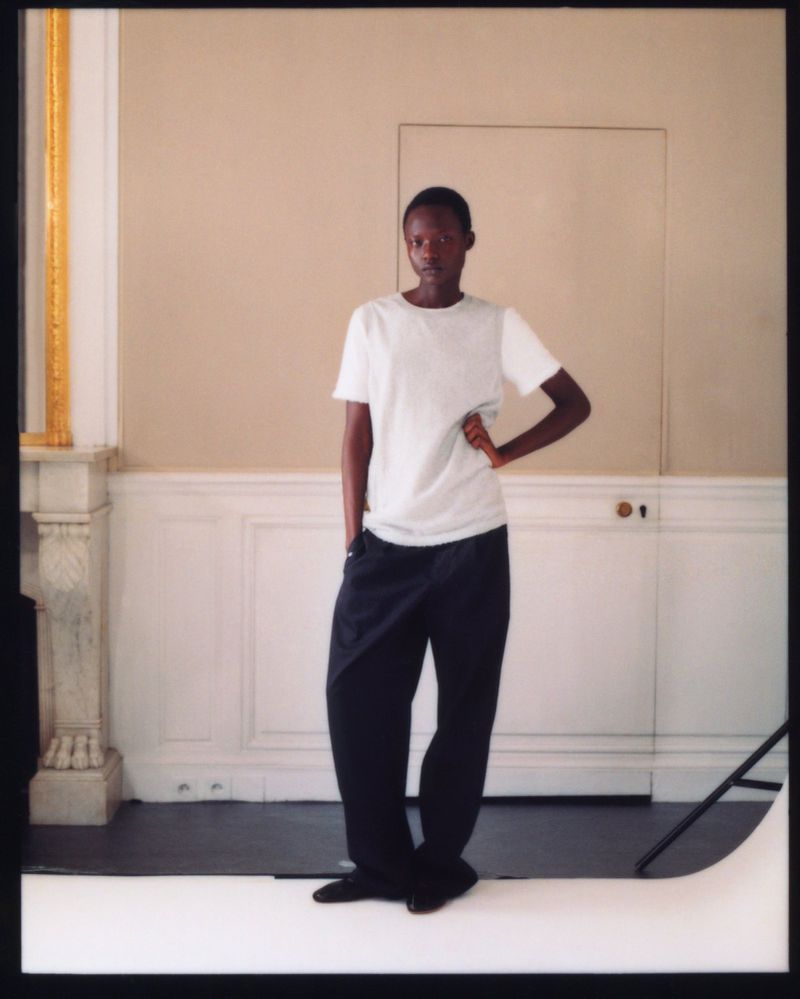
Resale marketplaces have become a more dependable source for shoppers seeking savings, especially regarding the row bags and outerwear. Authentication platforms routinely flag The Row among brands requiring extra scrutiny due to counterfeit activity, a byproduct of the label’s rising visibility. Those hunting for the row Margaux bag or other coveted totes used should favor sellers offering thorough images of the leather texture and metal fittings, since The Row’s low-key logo presence makes visual authentication more demanding than logo-heavy alternatives.
For shoppers specifically wondering where to buy the row Margaux bag new, the most dependable options remain the brand’s flagship stores, select department stores carrying the full handbag line, and a small number of authorized online luxury retailers. Stock levels by size and colorway shift often, so staying persistent and open-minded about color often outweigh timing around any particular sale.
Where The Row’s Impact Points Next
Given that more shoppers grow knowledgeable about craftsmanship rather than branding, the brand’s path demonstrates that low-key, materials-first design is a durable strategy—far from a fleeting aesthetic—which competitors will keep examining and borrowing from. As more shoppers educate themselves on construction quality rather than logos, demand for brands that can substantiate their pricing through craftsmanship, including The Row itself, is likely to remain strong through 2026 and beyond. That sustained demand keeps competition for the row handbags and the row bag in general notably high relative to the brand’s limited production volumes.
For anyone assembling a wardrobe focused on lasting value as opposed to chasing seasonal trends, The Row continues to be one of the most instructive case studies in how restraint, combined with authentic investment in materials, can outlast louder trends entirely.